Reverse Engineering Candidates
This page is a supplemental addendum to the SOMIC pilot dossier. It does not change the core recommendation, which remains revision-before-release review. It adds the most useful concrete part candidates to build if we want a SOMIC-flavored demo dataset that feels native to their machines.
What This Addendum Adds
- a tighter shortlist of SOMIC-like parts instead of generic brackets
- a clearer mapping from SOMIC product language to believable CAD assets
- realistic failure injections for RapidDraft diff and release-readiness demos
Best Parts To Build First
| Priority | Candidate part | Why it is strong for SOMIC | Best RapidDraft story |
|---|---|---|---|
| 1 | QuickChange locating adapter plate | QuickChange is central to SOMIC's public positioning, so a locating part makes the "no extra tweaking" promise mechanically visible. | revision diff plus release-hygiene checks on dowel holes, rev labels, and locating dimensions |
| 2 | Hot-melt glue nozzle mount bracket | Glue placement is high-consequence and easy to explain to both engineering and management. | geometry change plus missing flatness, hole-callout, or note mismatch |
| 3 | CORAS carrier product nest insert | CORAS is one of the most SOMIC-specific public differentiators, and product-matched nests naturally accumulate revisions. | pocket-size change, section-view drift, and material-note gaps |
| 4 | Folding die block | Folding and carton erection are core to the line, and die alignment changes feel critical immediately. | datum change not reflected in drawing and old assembly reference still carried forward |
| 5 | QFeed idler sprocket mount plate | Conveyor tension and guard integration are realistic revision drivers with very reviewable drawings. | slot-length changes, added guard holes, and incomplete interface notes |
| 6 | Lamella pusher head side plate | Lamella Chain gives us a second SOMIC-native handling mechanism beyond the main cartoner modules. | moved hole pattern, tolerance omissions, and assembly-reference drift |
Geometry Snapshots
These snapshots are intentionally compact. The goal is to give the reader a mental picture of each part without forcing them back into the source .docx.
1. QuickChange locating adapter plate
Generated assets
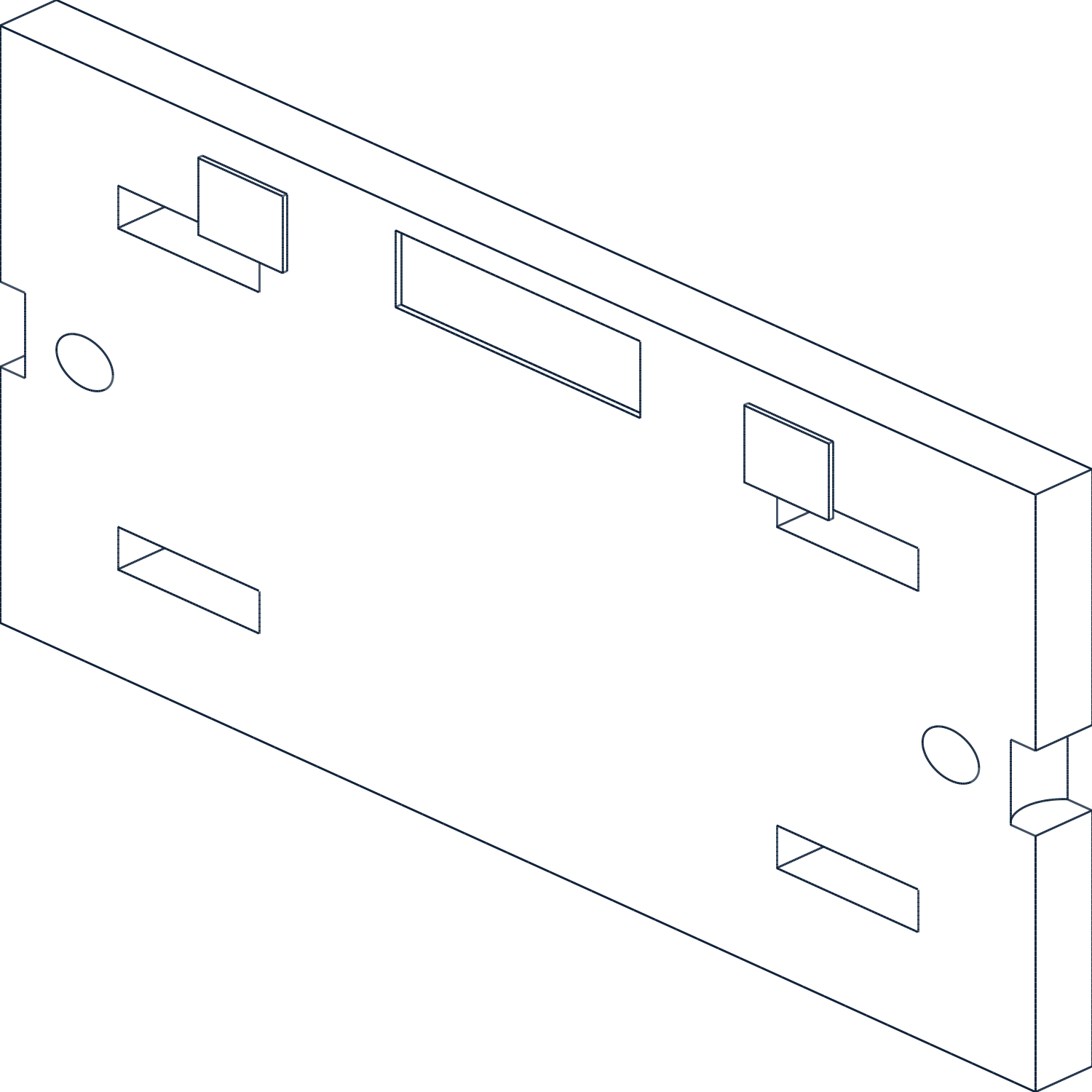
STEP: Rev A, Rev BDrawing stubs: Rev A PDF, Rev B PDFGeneration inputs: Rev A prompt, Rev B prompt, Rev A script, Rev B scriptManifest: artifact_manifest.json
Shape: flat machined adapter plateKey features: 2 precision dowel holes, 4 slotted bolt holes, datum target pads, sanitation relief on the edge, etched part-code areaApproximate size:220 x 140 x 12 mmCritical dimensions: slots10 x 30 mm, dowelsØ8 H7Likely material: anodizedAl 6082-T6Typical revision: add a second dowel and tighten slot tolerances to improve repeatability during no-tweaking format changes
2. Hot-melt glue nozzle mount bracket
Generated assets
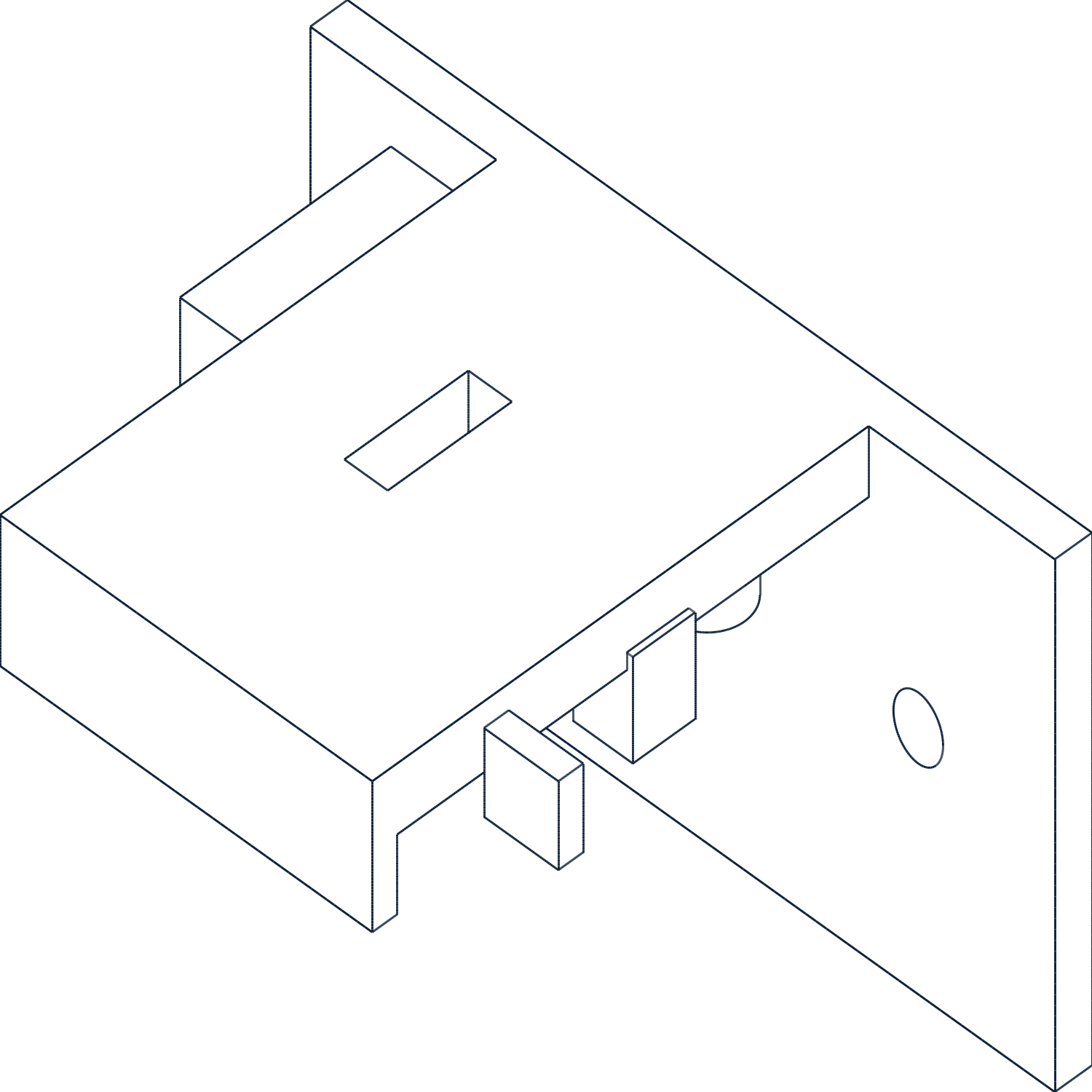
STEP: Rev A, Rev BDrawing stubs: Rev A PDF, Rev B PDFGeneration inputs: Rev A prompt, Rev B prompt, Rev A script, Rev B scriptManifest: artifact_manifest.json
Shape: bent stainless bracket with one upright legKey features: slotted micro-adjust, stiffening rib, drip-shield lip, locating boss, flat nozzle face that wants a real flatness calloutApproximate size: base120 x 60 x 6 mm, upright leg about80 mmCritical dimensions: micro-adjust slot7 x 20 mmLikely material:Stainless 304Typical revision: add a rib and narrow the slot after vibration drift shows up at higher throughput
3. CORAS carrier product nest insert
Generated assets
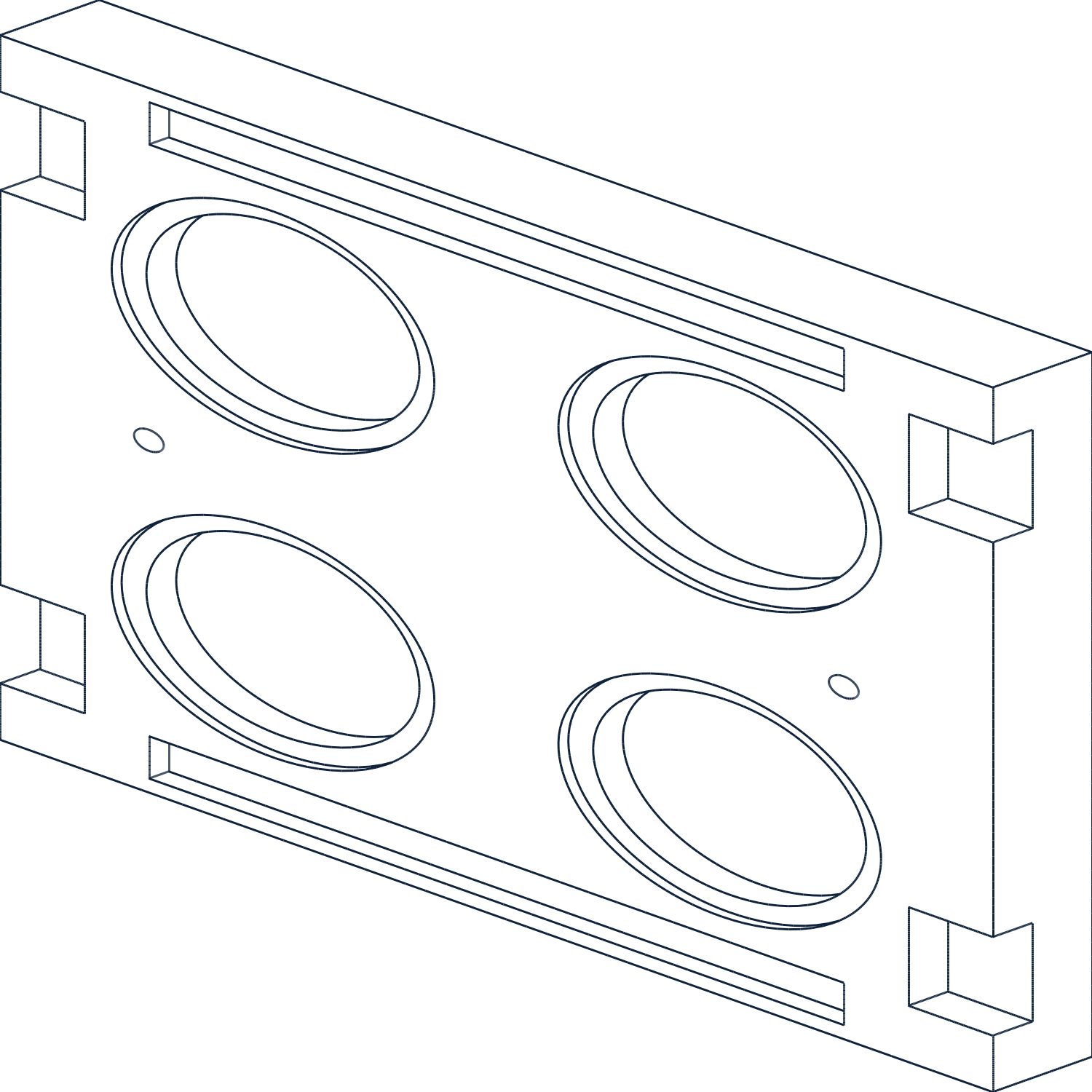
STEP: Rev A, Rev BDrawing stubs: Rev A PDF, Rev B PDFGeneration inputs: Rev A prompt, Rev B prompt, Rev A script, Rev B scriptManifest: artifact_manifest.json
Shape: square insert plate with multiple product pocketsKey features:4-8product nests, drain and cleaning radii, quick-swap latch pockets, multiple section views needed to understand the pockets properlyApproximate size:200 x 200 x 20 mmCritical dimensions: example pocketØ55 x 8 mm deepLikely material:POM-C / DelrinTypical revision: enlarge the pocket and add a lead-in chamfer for a new product variant or mixed-format run
4. Folding die block
Generated assets
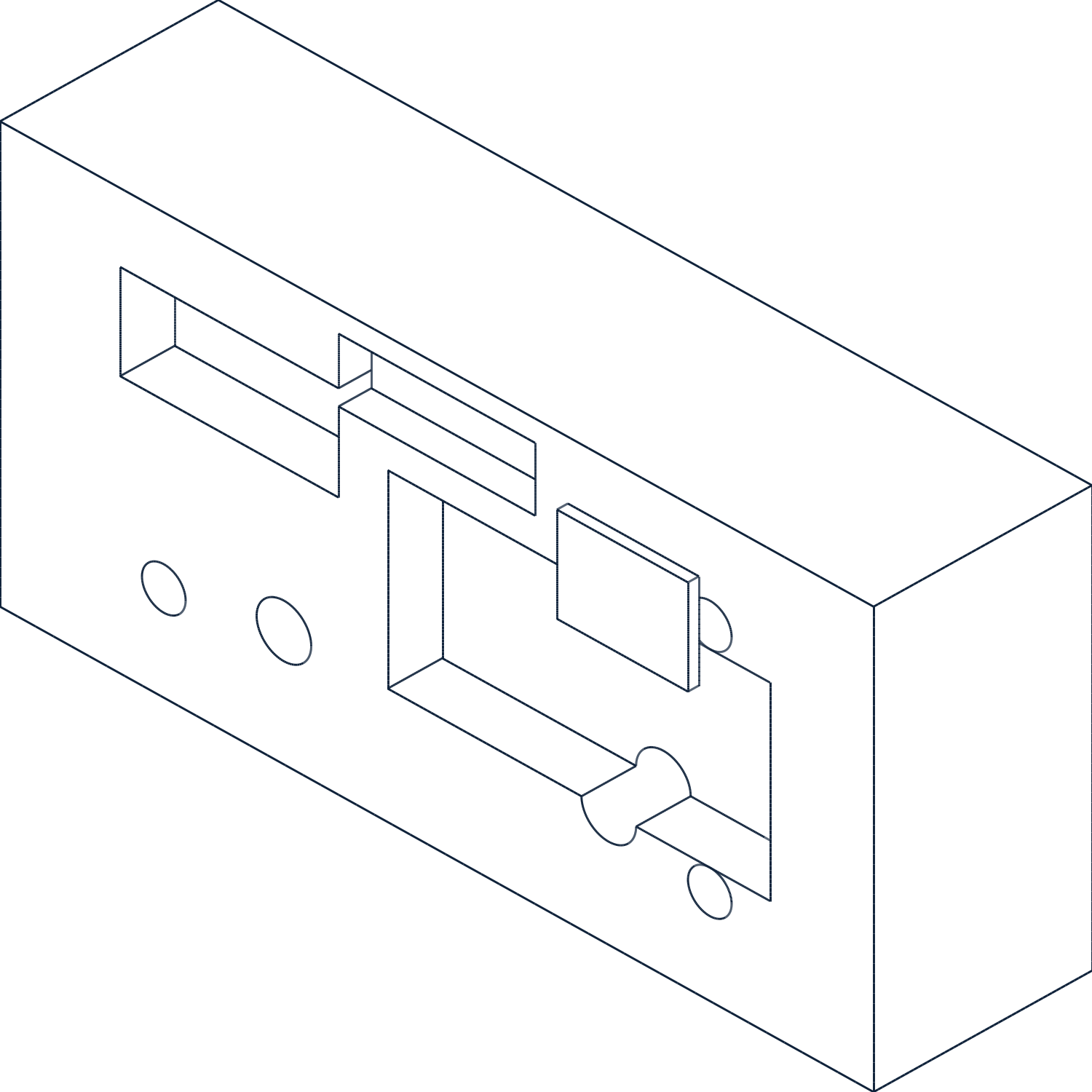
STEP: Rev A, Rev BDrawing stubs: Rev A PDF, Rev B PDFGeneration inputs: Rev A prompt, Rev B prompt, Rev A script, Rev B scriptManifest: artifact_manifest.json
Shape: compact machined tool block with stepped facesKey features: stepped reference faces, threaded inserts, dowel holes, chamfers, a datum scheme that controls carton squarenessApproximate size:160 x 80 x 40 mmCritical dimensions:2 x Ø10dowels,4 x M8threaded featuresLikely material: tool steel such as1.2379Typical revision: move one dowel by about1.5 mmto correct erection squareness, then update the datum logic with it
5. QFeed idler sprocket mount plate
Generated assets
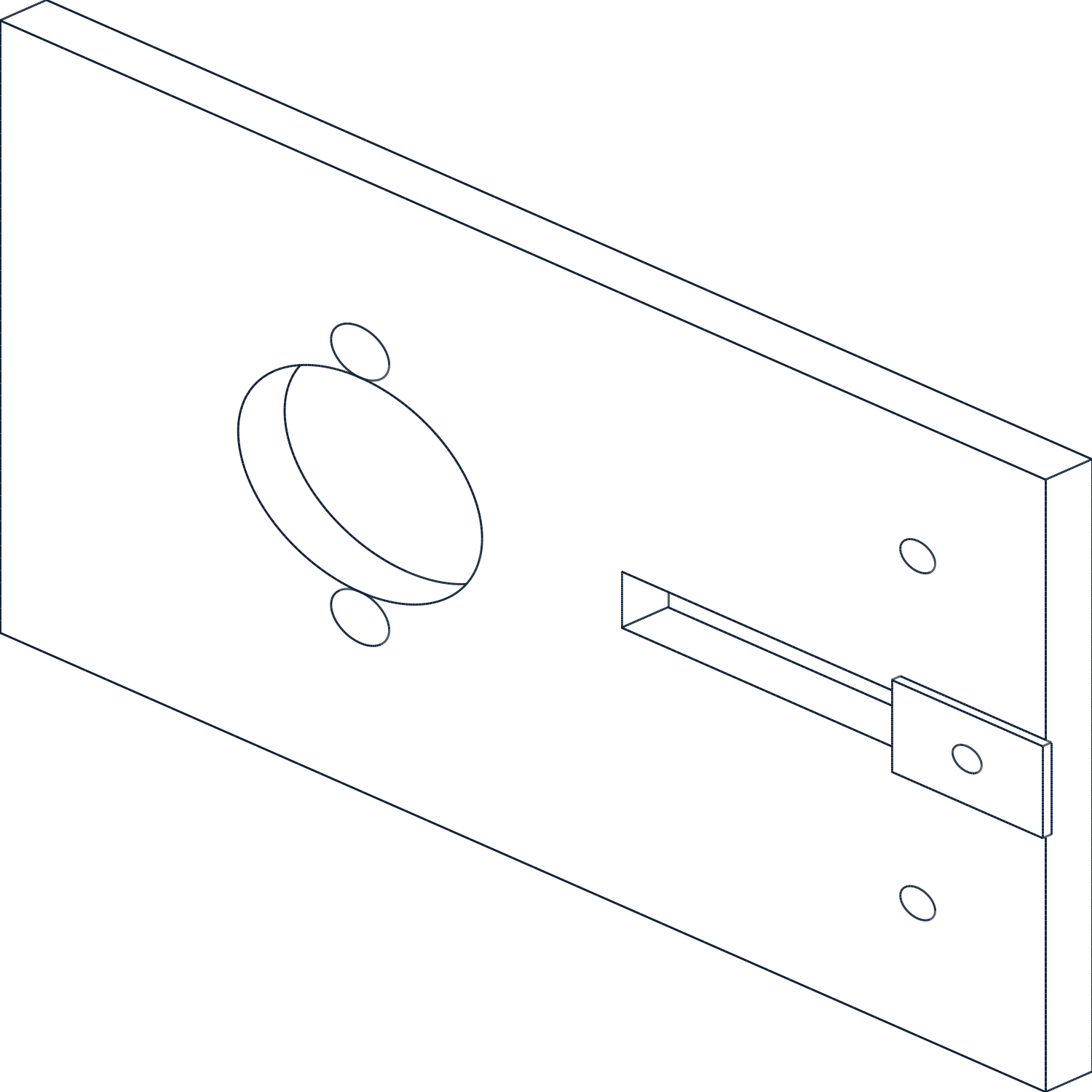
STEP: Rev A, Rev BDrawing stubs: Rev A PDF, Rev B PDFGeneration inputs: Rev A prompt, Rev B prompt, Rev A script, Rev B scriptManifest: artifact_manifest.json
Shape: rectangular adjustment plateKey features: slotted idler adjustment, bearing-housing bolt pattern, tension-scale marks, safety-guard mounting holesApproximate size:180 x 120 x 8 mmCritical dimensions: slot11 x 35 mmLikely material:Stainless 304or aluminum variantTypical revision: extend the slot and add guard holes to improve tensioning and safety integration
6. Lamella pusher head side plate
Generated assets
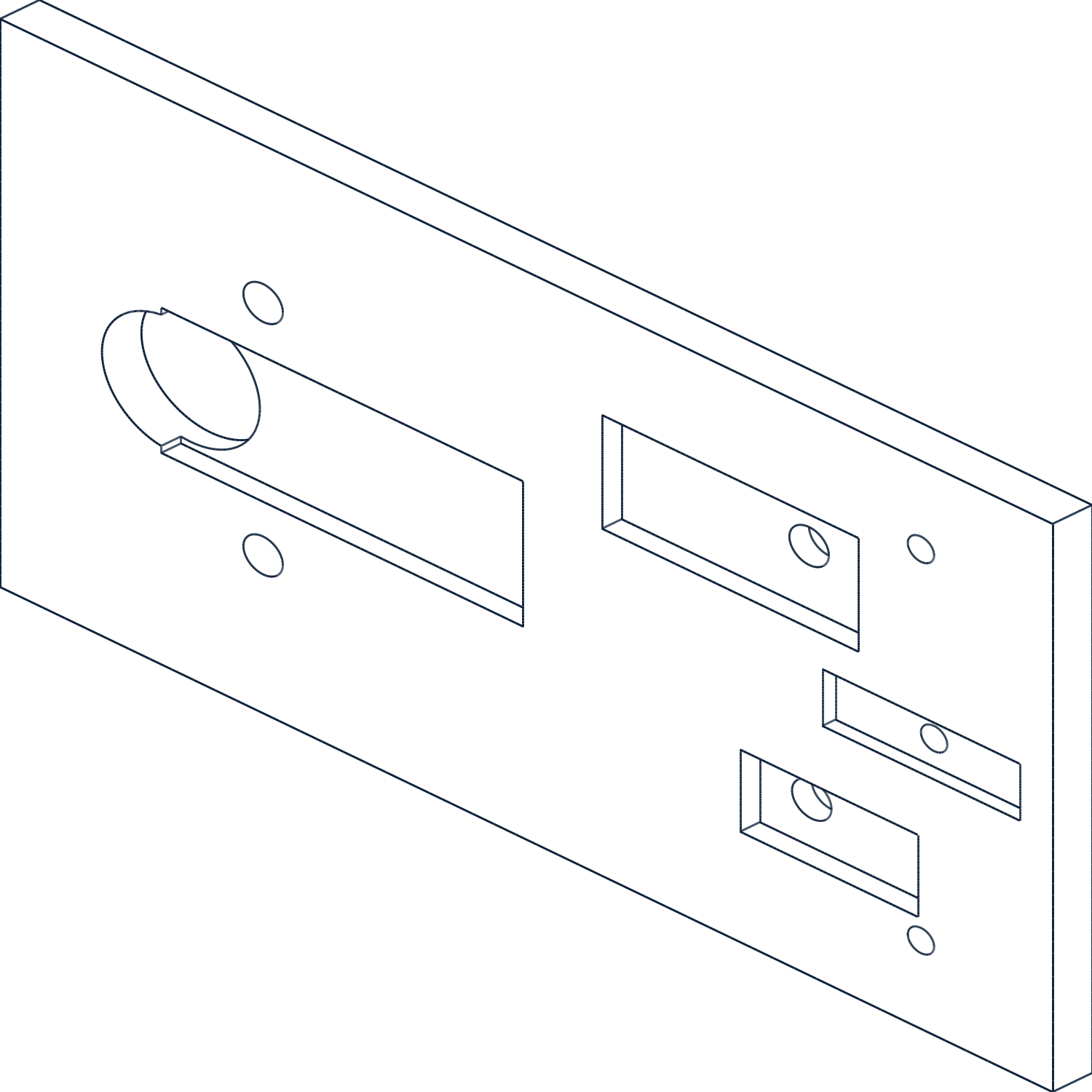
STEP: Rev A, Rev BDrawing stubs: Rev A PDF, Rev B PDFGeneration inputs: Rev A prompt, Rev B prompt, Rev A script, Rev B scriptManifest: artifact_manifest.json
Shape: machined side plate with lightweight pocketsKey features: linear-guide holes, bearing seat, multiple tapped holes, mass-reduction pockets, assembly-reference dependencyApproximate size:320 x 180 x 12 mmCritical dimensions: guide-hole pattern about160 x 80 mmLikely material:Al 7075-T6Typical revision: move one guide hole about0.8 mmand add a pocket to reduce weight while correcting alignment
What This Clarifies Beyond The Existing Dossier
The existing SOMIC pages already establish the wedge: RapidDraft should help SOMIC understand what changed before release. The new source sharpens one practical question that the earlier dossier only implied: which parts should we actually model if we want the demo to feel like SOMIC rather than like a generic machine shop sample.
The strongest answer is to prefer mechanism-adjacent format parts over generic support hardware. The best candidates are the parts that sit at the boundary between modular machine architecture and customer-specific format changes:
- QuickChange locating and swap parts
- glue-positioning and sealing hardware
- CORAS carrier or nest geometry
- folding-tool interfaces
- conveyor and transfer components with adjustment logic
Realism Rules For The Demo Dataset
- Favor parts that a SOMIC engineer would plausibly swap, adjust, or re-release during a format change.
- Keep at least one part tied to QuickChange, one to product handling, and one to folding or gluing.
- Make the injected issue look like a real release mistake, not a random geometry error.
The most believable injected issues from this source are:
- revision table updated but title block not updated
- critical hole or datum moved but tolerance scheme not revised
- section view or detail view left stale after a pocket or profile change
- material, finish, or interface note missing after a real geometry revision
Recommended Build Order
If we only build three parts for the next SOMIC-facing demo pass, use this order:
QuickChange locating adapter plateHot-melt glue nozzle mount bracketCORAS carrier product nest insert
That trio gives us one clean setup and locating story, one precision process story, and one unmistakably SOMIC-specific handling story.
What To Ask SOMIC For Next
This addendum also makes the external ask more concrete. The best follow-up request is no longer just "send a revision pair." It is:
- one scrubbed format-part revision pair
- one carrier or nest style drawing, even if redacted
- one changeover or approval artifact that shows how they describe the change today
That would let the demo move from representative SOMIC-like parts to SOMIC-shaped evidence.